

DIY Guide To Finding A Hidden Water Leak
Common Signs You Have A Water Leak In Your House?
If you ignore these common signs, they could lead to some serious problems and expensive repairs later down the track. Keep an eye out for:
- Expensive water bills
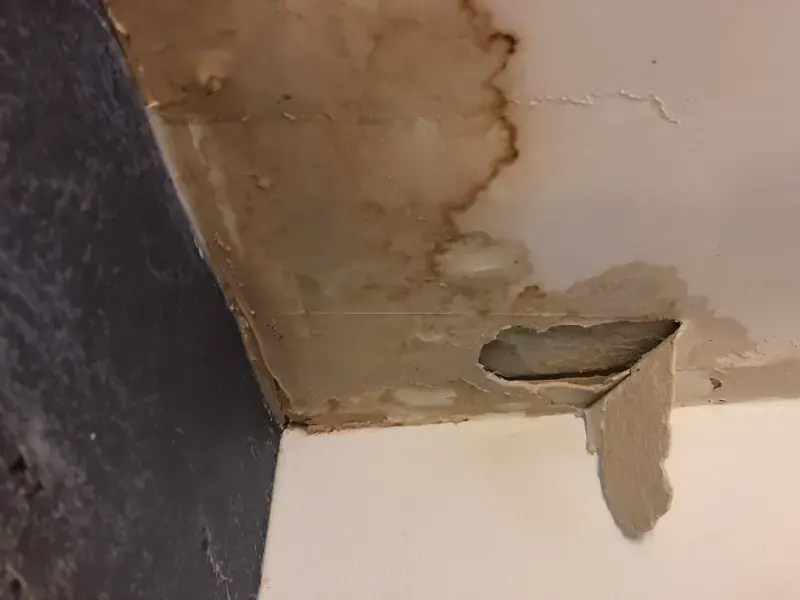
- Visible structural damage
- Rot, mould or mildew
- Pests in your garden are attracted to pooling and stagnant water
- You need to keep getting your plumbing fixed
To avoid unnecessarily expensive repair jobs in the future, early leak detection is the key. Our plumbers always recommend staying on top of your routine maintenance. Remember that early action is always better than a last-minute emergency.
How Do Leaks Start?
Many household’s hidden leaks usually start in the following places:
Leaking Toilet Cisterns
A dodgy flush valve or a worn-out flapper can cause water to constantly drain from the tank into the toilet bowl. A telltale sign that you have a hidden leak is if you hear your toilet refilling when no one has used it.
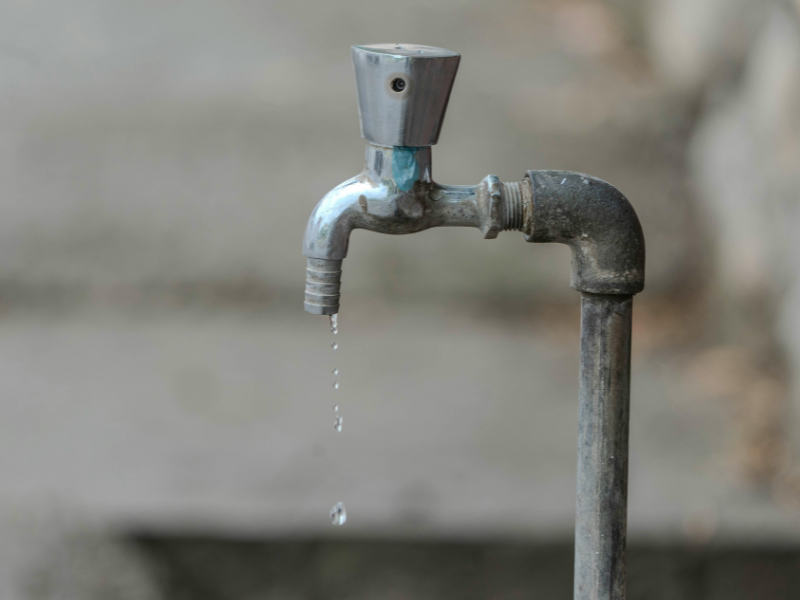
Dripping Taps
Keep an eye out for dripping taps both inside and outside of your home. A worn out washer or something wrong inside the tap can cause the tap to drip constantly, wasting thousands of litre of water a year.
Hot Water Systems
Old or poorly maintained hot water systems can leak from the tank, pressure relief valve or electrical connections. If you ignore it for too long, it can cause rust to form and leak out of your taps and fixtures.
Conduct A Visual Inspection
It may seem like an obvious step but it’s important to thoroughly check the area where you think the leak is coming from. Be sure to check for the following clues:
- Check your taps and showerheads. Are they dripping or leaking from around the base? Do they only leak when you turn them on? (intermittent leaks)
- Do you notice any wet patches or water stains around your home, especially in places that are usually dry.
- Do you notice any musty or damp smells?
- Inspect underneath your sinks and bathrooms
Checking for Leaks Using Your Water Meter
First things first, when was the last time you checked your water meter? Can’t remember? Many Sydney homeowners don’t even know where their water meter is. Most water meters are located at the front of your house and can be tested by following these simple steps:
- Turn off all your water-related household appliances, as well as any garden hoses or taps
- Find your water meter
- On your water meter, there will be 2 sets of numbers - one black and one red. The black one represents kilolitres, whereas the red numbers on the left represent litres. Take note of all the numbers.
- Make sure that no water is used during a specific time period. Ideally, it should be overnight. Water use also includes flushing toilets so be careful!
- After the time period is over, check the numbers again. If the numbers have increased, then you have a leak.
Food Colouring Test For Toilets
A simple test you can do if you think your toilet is leaking is the food colouring test. To start, remove the tank lid from the cistern of your toilet and add a few drops of food colouring into the water. Don’t flush the toilet and wait for 10 to 20 minutes. If after the time is up, the food colouring has moved from the cistern into the toilet bowl, that’s a clear indication that there’s a leak that needs to be fixed.
DIY Methods To Avoid
When you find the source of the leak, it may be tempting to slap some silicone putty on it and call it a day. However, this can actually do more harm than good. On a daily basis, our plumbers have to completely remove pipes because someone has put too much silicone on it. Not only is this a temporary fix, it’ll end up costing you more time and money in the long run.
Our plumbers also recommend avoiding compression or push-fitted pipes. These types of pipes are most commonly seen in new builds. Push-fitted pipes can easily come apart, causing unexpected leak and burst pipes.
When To Call A Professional
If you have completed our DIY guide and you still can’t find the source of the leak or have discovered some serious water damage, it’s time to call our qualified and professional plumbers. Our team are available 24/7 all year round wherever you live in Sydney.
Call us today for a free quote and consultation on 0483 915 451 or complete our online booking form.
