🎄 We’re open throughout the Christmas & New Year period, with our team available as usual for all plumbing services and emergencies. 🎄

Leak Detection

Call us at 02 8188 5339 or fill out our online booking form to get in touch.

Need Leak Detection Services You Can Trust? We’ve Got You Covered!

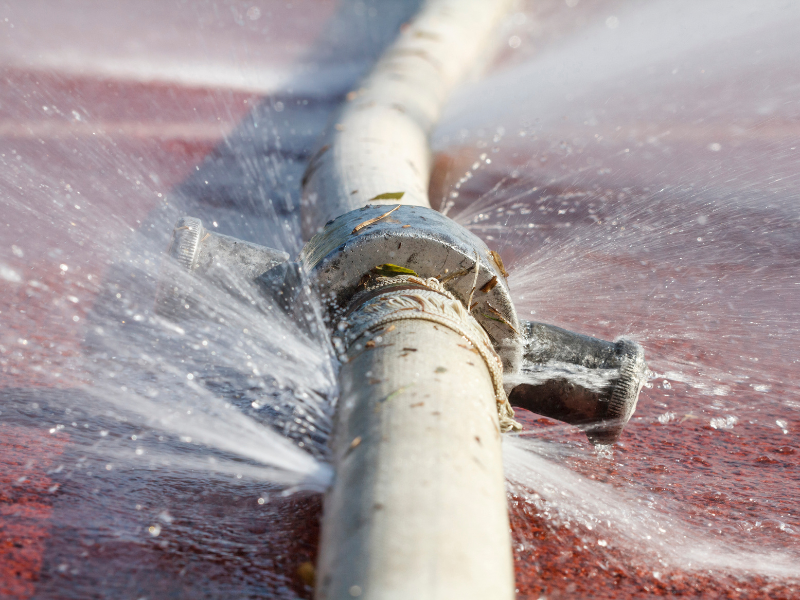
Is that dripping tap driving you crazy? Have you noticed your water bill is a lot higher than expected this month, despite not using more water? Water leaks can go undetected for days, weeks or even months, increasing your water bill, damaging your home and wasting your water.

If you are a Sydney homeowner facing a suspiciously high water bill or noticing unexpected wet patches, you need rapid and accurate leak detection. At Pure Plumbing Professionals, we specialise in providing fast, accurate, and non-destructive leak detection services for homes and businesses across Sydney.

We are your "one-stop shop" for leak repair. Unlike many competitors who outsource leak location, our licensed plumbers perform all detection and repair work in-house. This means your plumber handles the entire process from start to finish, ensuring consistency and ultimately saving you money in the long run.

For a detailed and comprehensive quote, contact our friendly and professional team on 0483 915 451 or fill out our online booking form today.

DEAL - Book A Leak Detection Expert Online Now For 10% Off*

Signs You Need Professional Leak Detection Services

A water leak, whether concealed or obvious, increases your water bill, wastes water, and can damage your home. Our expert plumbers advise keeping an eye out for these crucial signs:

  • An unexplained increase in your water bill or a higher than usual water bill.
  • Wet patches on the ground, either inside or outside your property.
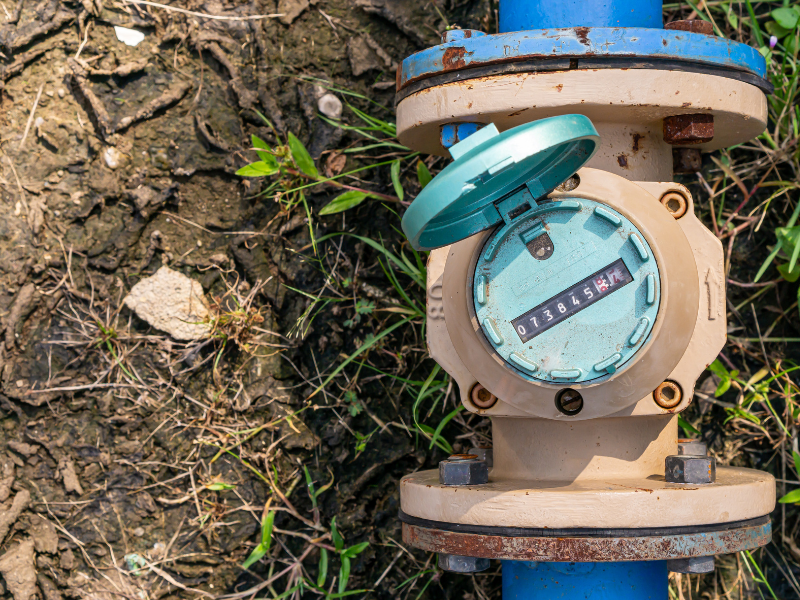
  • Hissing sounds in walls or a constantly ticking water meter.
  • Water pooling in unusual areas.
  • Swelling, warping, or discolouration of cabinets, benchtops, ceilings, or walls.
  • One area of your garden growing much faster than the rest.


Leak Detection: Pure Plumbing Professionals Reveal Hidden Signs, Costly Myths & Professional Care

View Transcript

0:01 **Expensive water bill!** Yeah, they might get a higher than usual water bill.

0:07 Higher than what usual water bill, they might notice, you know, wet patch on the ground, could be outside, it could be inside, hissing in the walls; they could even notice a dripping tap.

0:19 Yeah, usually they're the key signs.

0:23 Not really, I think, but if we had to put it down, I mean leaks, I mean hot water leaks will tend to occur more in the, in the when the weather starts to cool.

0:34 So I guess, you know, coming in, coming out of summer and into winter, and usually get that first cold snap, and I mean expansion and contraction in those copper pipes.

0:45 What we usually see is mainly in the commercial buildings, at the top of the flow and return lines where the line starts returning back down to the main hot water tank, right on that point there, that's where they usually go.

0:58 Would you say that?

1:00 Yeah, definitely hot seasons when it gets cold.

1:03 Yeah, yeah, and not, and not only the pipework, actually the tanks as well, so we do find that, you know, hot water tanks will split more in the, in the winter than the summer, but in saying that, they can go any time of the year, but we do notice a peak in hot water sales over that time.

1:22 What causes the leaks most of the time? I mean it, it does vary.

1:25 Movement.

1:26 Yeah, tree roots, ground movement, they're probably the two biggest major causes.

1:31 Also, you get the expansion and contraction of copper pipes, you know, might be in the walls, you know, and that could be rubbing up against a nail or something like that, which, you know, over time, wears a hole throughout the pipe, and, you know, the, the wall, the thickness of the wall of the pipe tends to deteriorate over time.

1:52 Sometimes water hammer, but not so much; it's mainly, you know, mainly most leaks are caused by, I would say, you know, underground tree roots or where a pipe's coming into a building, and then where it comes underneath a footing.

2:06 Mostly the older ones.

2:08 Mostly the older houses because, I mean, copper itself does have a longer lifespan.

2:15 When we do see leaks in newer houses, they're usually on a plastic pipe, and it's usually on a joint, or you might have a plasterer who's screwed a hole into a pipe, and sometimes you might find that the screw has rusted out over time, so then you do get a leak, you know, could be three, four, five, 10 years down the track.

2:34 But, you know, it's horses for courses, really; the, the newer houses the leaks are on plastic pipes, and sometimes, not so much anymore, you'd get instances where rats would eat copper pipes and, you know, go searching for water.

2:47 Not copper pipes, sorry, plastic pipes; the rats would go and eat the plastic pipe, and you'd be out there fixing a leak one week, and the next week you get called out for another leak in the roof, get up there and there's another section of pipework that's been, you know, eaten by rats.

3:00 And, but I think, you know, these days pipework, plastic pipes, have like a deterrent, so the rats really don't like chewing the pipes anymore.

3:10 But usually the leaks with plastic pipe occur on a joint, and it's usually a joint that hasn't been crimped properly.

3:19 Yeah, sure. So, you know, if a customer does notice a water leak, generally what they'll do is they jump online, they try and find a plumber.

3:26 You know, if they ring us, we'll, you know, one of the girls in the office will answer, and usually we just try and triage the call and see how urgent it is.

3:33 So, we'll say to them, you know, is the leak inside or outside?

3:39 Is it causing any damage to the property? You know, can you, do you know how to turn the water off, you know, till a plumber gets there?

3:43 And, you know, really just try and make sure that, you know, we're taking the stress out of the situation for the, for the customer because, you know, walk them through how to isolate it over the phone if we can.

3:54 Yeah, and what, what you don't want is, you know, if the leak is inside the house, like it's a burst flex hose or something, then that, you know, it's causing damage to the property, and you don't want the customer freaking out.

4:03 So, what we'll do is let them know how to turn the water off, then, then, you know, the emergency is taken out of the situation, and they can, you know, start cleaning up a bit of the water and a bit of the mess.

4:13 And then what we'll do, you know, we'll turn up, and when the plumber turns up, you know, generally speaking, he'll assess the property, work out, you know, where, where the water meter is, and, you know, work through a process of elimination.

4:25 You know, work out, yeah, as Brett said, is it hot water, is it cold water, is it inside, is it outside, is it in the front yard, is the pipe copper, is it plastic?

4:35 Can we use our leak locating gear to trace the pipe, check pits and stuff like that to see if the water's, like if they have a high water bill and you don't know where the water's actually coming from, check pits and stuff, because sometimes the water can leak through the ground and get in your storm water drainage system.

4:48 And then, unbeknownst to the customer, they, they don't know they have a water leak, but the water's actually getting away through their drainage system.

4:56 So, there's a few different things and a few different avenues we can to locate and identify where the leak's coming from, and what steps we have to take to try and locate and fix that leak.

5:07 I mean, sometimes it's obvious, sometimes it's not; sometimes you can turn up to a job and you're like, "Oh, there's the leak."

5:13 Is it a concealed leak or is it an obvious leak?

5:18 Depending on the type of leak will determine what sort of tools that we use.

5:22 So, we might use a tool, like you mentioned, a **moisture meter**.

5:27 If there's a leak in the, say a shower, you know, you can go up to the, you know, the dip rock and check how much moisture is in the diprock or in the timber work, or see how much moisture is, you know, in the certain area.

5:41 Then, you know, we might move to a pressure test.

5:44 So, we, you know, we can do a pressure test and hook up a gauge to the water service and see if there's a pressure drop.

5:51 That's a pretty effective test, but it doesn't really tell you where the leak is; it just tells you that you do have a leak, which is good to, sometimes that's good to identify if it's a cold leak or a hot water leak.

6:00 If it's in like a bigger block of units, you can hook up a pressure gauge to a cold line, hot line, and then if you do get a pressure drop, we can find out if which specific line it's on.

6:13 Mhm. And then we also do **pipe locating** as well.

6:16 So, you know, mainly for the copper pipes, um the metallic pipes, sorry, what we can do is we can trace, put a current down the pipe and we can trace those pipe, pipeworks back.

6:25 So if the pipe's in the ground or if it's in the wall, we can trace those pipes; we can't so much trace the plastic pipes.

6:31 But with the plastic pipes, what you can do is use a listening device or **acoustic leak locating**, which is a little bit harder, but that's still another option available to to locate the pipe, which uses the headset and a wand to go over.

6:51 The idea is behind it to trace out the line or identify where the line runs, mark that all down on the ground, and then you get the acoustic listening device and listen to over the different sections of the pipe to try and see if we can get a ringing area to say, "Okay, there's a noise here.

7:06 It's a bit more louder here than in one spot than the next spot."

7:09 So try and narrow down at least like a section where the water leak could potentially be.

7:15 We, we, we do all our leak location in-house where a lot of other companies might just outsource it, so they either don't know how or don't have the equipment to locate leaks.

7:26 So, the good thing is we're a one-stop shop.

7:28 So, if a customer calls in and they've got a concealed water leak and they don't know where it is, what we'll do, we'll come out, we'll assess the site, we'll work out whether or not it's a, if it's a concealed leak or an obvious leak, and if it's a concealed leak, we'll go through our process.

7:42 But you, you're just calling one, one person, you're calling the plumber.

7:46 We'll, we'll be there from start to finish.

7:48 Also, like it's how we approach the job.

7:50 Like if we have to dig up a section to, I don't know, you might want to isolate one section of a piece of pipework, but if there's a section in if a water service runs through grass, then a bit of concrete, then paved area, and we have to cap off a section just to see if it is, you know, at the front of the house, back of the house, for example, we're not going to start chopping up concrete if we don't have to.

8:14 There's an easier way to go about it; we'd like to go down that route.

8:17 Like we, we approach every job if it's our house.

8:19 Like if it's my house, I don't want to chop open the driveway and have to re-concrete, it doesn't look nice unless I absolutely have to.

8:25 But if I can dig a hole in the grass, which is a lot easier to restore, I'd go down that path first to get a result.

8:32 It's kind of like if you go to a GP, mate; you might walk into a GP, you might have an issue with your heart, you don't walk in there and they give you open heart surgery straight away to see what's wrong.

8:40 Yeah.

8:42 Look, I'd always recommend if you, if you do have a concealed leak, definitely get somebody out there who's trained in **leak detection** to actually come out, trace the pipework, locate the leak, rather than just let it leak.

8:53 Because the thing is with water leaks, they get worse, they don't get better, and over time they're going to cause more and more damage to the house or to the surroundings.

9:01 You're going to lose water, which, you know, is not good for the environment.

9:06 But also, you know, there are other things that we can do in terms of claiming back loss of water.

9:12 So **Sydney Water** will do a **concealed leak claim form**.

9:15 So if you don't know where the leak is, you're unaware of it, you're unaware of it and and you just get a big water bill, you can get a plumber to come out.

9:23 There must be a licensed plumber.

9:25 The licensed plumber come out, fix the leak, does the customer an invoice up, and we can help the customer go through the process, go through the form, and claim any cost back, any extra water used back over and above their normal water usage within a year period or 24 month period.

9:45 So yeah.

9:48 There's this one job that stands out to me.

9:52 It was, it was a guy, what was his name?

9:54 His name was Sam, he was over in Annandale, and he owned a, he was a landlord but he owned a bakery.

9:59 There was a bakery in the, in, in the warehousing complex that he owned, massive operation, big, big warehouse.

10:06 And I remember he called us out for a water leak, and he didn't know where it was.

10:11 So, he called us in, we, we went over the property, and we started the water meter and could see the water meter ticking over really fast, but there was no signs of water anywhere.

10:21 We ended up seeing and noticing there was some water going through a pit, and it hadn't rained in a little while, so we're like, "Okay, that's a, that's a good starting point to look."

10:28 So, you know, obviously that told us that there was a leaking pipe, and there was water going into a storm water line, getting into the storm water line, we don't know how, but a cracked storm water pipe or an aligned or something.

10:40 And we ended up tracing the pipe, then using our acoustic listening device, and ended up pinpointing where the leak was coming from.

10:46 We dug it up and we fixed it, and we found out there was a, there was a 15 mm copper pipe that was going to a garden tap, which is undersized for a garden tap, but that's beside the point.

10:55 That 15 millimeter pipe that was leaking had just completely sheared off, and then that customer from the bakery ended up getting a **$17,000 water bill**.

11:06 And then we, we fixed it, put the claim form in with Sydney Water, and I'm assuming he got money back over and above his water usage bill.

11:16 But yeah, he was a happy customer, that guy.

11:18 I've had one where there's had copper pipe running underneath a bedroom, and then they were, they didn't know until they got the high water bill.

11:24 Came out, we traced it all out.

11:27 We found out that we, to we don't actually have to physically chop up the floating floor, remove the bed, tar everything up.

11m34s We traced all the copper lines.

11:37 We found out if we picked it up from just outside the where it enters the house to this downstairs bedroom, we can actually run it up along the wall, go because it was like a tiered house, a split level, we can run it up along the wall across, and then into the subfloor and then tee into the pipework after the fact of where this water leak was.

11:54 So we didn't have to chop up inside at all; we actually diverted the pipe around, which saved them chopping up their floating floors, re-concreting.

12:01 It was just more of a diversion which I think that's the big difference when you do get, you know, a plumber who specializes in leak locating and pipe tracing rather than just getting a pipe locating guy, a leak locating guy out themselves, because understand how pipes run.

12:16 The leak locating guy, a lot of plumbers, what they'll do is they'll get called out to a leak, they'll attend to the leak, contact the leak location guy that the leak location guy will be subcontracted, subcontracted out.

12:28 He might come out in two or three days time, so there's a bit of a delay there.

12:31 A lot of the time plumber won't attend at the same time the leak location guy comes back.

12:35 The leak locating guy will say, "There's your leak there," but when it's done in-house, we can understand and we get to know the property.

12:41 We get to know where the pipes are run, and then we can think, "Okay, well, hang on a second."

12:44 So if, if there's a leak right here and we know the pipes are running from A, B to C, it might even be cheaper not to dig it up where it is leaking.

12:52 What we could do is say, "Okay, well, let's do a diversion around the area or around it this way," give the customer options.

12:59 It's going to be less destructive.

13:00 You know, you might save them the bathroom, you might save them the landscaping, you might end up saving them a lot of money.

13:06 So, a lot of the times in, you know, in leak location, it's more than just actually just fixing, fixing the leak or finding and fixing it; it could be a diversion which will end up saving the customer a bit more money.

13:20 Problem is, Bryce, customers, they're so focused on what the, what the actual service is going to cost, right?

13:27 Right? So, what the leak locating service is actually going to cost or how much is going to cost to fix their leak, right?

13:33 But what the people don't understand and what they don't have the foresight to actually see is how much is it actually going to cost them to restore their landscaping or restore their bathroom or, you know, restore their wooden floors if leaks underneath there or, you know, tiles or kitchen splashback or, you know, up in, up on the roof or whatever.

13:51 So what we always try and do is work out, "Okay, what's going to be the most economical all-round solution for the customer, not just plumbing, but restoration, restoration costs as well."

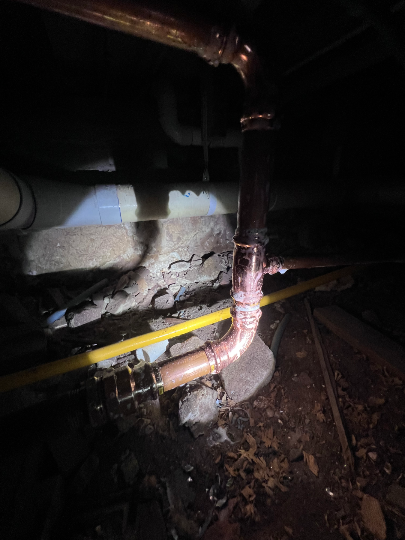
Older Sydney Homes have aging copper pipes that are more prone to leaks

Subtle Leak Indicators Spotted by Expert Plumbers

Our professional experience allows us to spot potential issues before they become emergencies:

  • Rusty water from your hot water tank. This is a telltale sign that the tank is "about to go" and is often noticeable when filling a white bath.
  • Deteriorating flexible hoses (flexi hoses) that show brown spots or stains are an "accident waiting to happen". We frequently attend after-hours callouts where these braided flexible hoses have burst. We recommend changing washing machine hoses once every five years.

The High Cost of Delay: Leaks Always Worsen

Jerram Chippindale strongly advises against letting concealed leaks persist, emphasising that leaks always worsen; they do not get better. Ignoring a potential leak only hurts your plumbing system and your wallet.

Serious Consequences of Neglecting a Leak

Ignoring a leak, especially one out of sight in a subfloor area, can lead to severe issues:

  • Extensive Property Damage: Including wood rot, destruction of carpet, and deterioration of structural elements like door jambs and timber.
  • Secondary Issues: Dampness causes mold, mildew, and attracts termites and other pests.
  • Foundational Damage.
  • Skyrocketing Utility Bills.

Customers often delay calling a plumber, leading to emergency weekend callouts which incur higher charges. Prompt action during weekdays is crucial to avoid increased costs.

Financial Recovery: Sydney Water Concealed Leak Claim Forms

If you receive a large water bill due to a concealed leak you were unaware of, we can help. A licensed plumber must fix the leak and provide an invoice.

We can assist customers through the process of filing a concealed leak claim form with Sydney Water. This form allows you to recover the cost for excess water usage that exceeded your normal consumption within a 24-month period. For example, a bakery owner who faced a $17,000 water bill due to a sheared copper pipe was able to successfully claim money back with Sydney Water after we found and fixed the leak.

Water metering solutions sydney

Why Do Leaks Happen in Sydney Homes? Expert Plumber Insights

Leaks are primarily caused by specific factors prevalent across Sydney properties:

Leak Cause Details & Prevalence
Ground Movement Movement, tree roots, and ground movement are major causes. As the ground expands and contracts with moisture, it puts pressure on underground pipes, leading to cracks.
Tree Roots Tree roots actively search for water, often breaking into pipes and causing blockages and severe damage.
Aging Copper Pipes (Older Homes) Leaks are most commonly found in older houses due to aging copper pipes. The constant expansion and contraction of these pipes can cause them to rub against building materials like nails, wearing down the pipe wall over time.
Hot Water Systems Hot water leaks will tend to occur more in cooler weather due to expansion and contraction in copper pipes. Hot water tanks will also split more often in winter.
Poor Installation (Newer Homes) In newer Sydney houses, leaks typically occur in plastic pipes, often due to improper crimping of joints or if the plumber used push-fit fittings. Screws penetrating pipes during plastering can rust out years later, causing a leak.
Pests Rats can chew on plastic pipes, creating small holes. Newer plastic pipes often contain a deterrent.

Pure Plumbing Professionals' Non-Destructive Leak Detection Process

Leak detection requires a methodical approach and a process of elimination, as no single tool or method works for every leak.

Immediate Triage and Guidance

When you call, we immediately triage the situation to assess urgency. We provide immediate advice, such as showing you how to isolate the water supply over the phone, taking the stress out of the situation and preventing further damage.

On-Site Assessment and Elimination

Upon arrival, our plumber assesses the property, locates the water meter, and uses a process of elimination to determine the leak's type and location (hot/cold, inside/outside, copper/plastic). We check drainage pits to see if water is leaking through the ground and escaping into the stormwater drainage system, which can cause a high water bill without any visible water.

Advanced Tools and Techniques for Pinpointing Leaks

We utilise the latest technology to accurately pinpoint the leak source.

Tool/Technique Application
Pressure Tests Used to hook up a gauge and identify a pressure drop in the water service, confirming a leak exists and helping determine which specific line (hot or cold) is affected.
Pipe Locating Traces metallic pipes (like copper) by sending an electrical current down the pipe, helping trace the pipe's path, even when concealed in the ground or walls.
Acoustic Listening Devices Used primarily for plastic pipes. These devices use a headset and wand to listen along the identified pipe path, amplifying sounds to pinpoint the leak location.
Moisture Meters Used to detect dampness in materials such as timber or gyprock, often used when checking for leaks in areas like showers.
Thermal Imaging Mentioned as one of the advanced techniques used by our team.

The Economical Approach: Diverting Pipes Saves Restoration Costs

We follow a non-destructive approach. Our goal is to find the most economical and least destructive solution, similar to a GP’s diagnostic process before surgery. If we need to excavate, we prioritise digging in grass over concrete, as grass is much easier to restore.

Value of Pipe Tracing and Diversion

Hiring a plumber who specialises in leak locating and pipe tracing is highly advantageous. By understanding the pipe layout, we can offer the option to divert the pipe around a house rather than proceeding with costly excavation and restoration of concrete, floating floors, or landscaping.

While customers often focus on the cost of the repair service itself, we focus on the total economical solution, including potential restoration costs. Diverting pipes can be a cheaper and less destructive alternative than a direct repair, potentially saving customers the bathroom, landscaping, or wooden floors.

Expert Advice: Pipe Materials and DIY Fixes to Avoid

To minimise the risk of leaks, J. Chippindale advises against certain pipe materials and practices:

  • Avoid "push-fit" and "compression fittings" for pipe installations that are concealed behind walls or underground, as they are prone to failure.
  • Avoid using "flexi drains".
  • Never attempt DIY fixes using materials like silicon on leaking pipes. This only complicates professional repairs, makes the job take longer, and increases overall costs.

Need Leak Detection Services Now? Call Your Sydney Experts

Don't let a small leak turn into a major disaster involving mold, termites, or significant property damage. We offer reliable and professional service:

  • We are reliable and always aim to arrive on time.
  • We offer same-day services if you book a job before 10:30 am.
  • Before any work begins, we provide all customers with detailed written quotes so there are no hidden fees or charges.
  • We offer 24/7 emergency plumbing services across Sydney.

For comprehensive water leak detection at the best possible price, call our professional team today:

Call Pure Plumbing Professionals: 0483 915 451

Frequently Asked Questions About Leak Detection

Signs that you may have a water leak
What plumbing work can I do and when do I need to call a plumber?
Is a rainwater tank worth it?

Plumbing Payment Plans

No Interest Payment Plans for Plumbing Work

Don't wait to get your plumbing fixed or to upgrade that hot water system.

Get a Plumber NOW and PAY LATER.

brighte

Find Out If Our Plumber Team Serves Your Area