

Commercial Gas Safety Testing, Compliance Checks and Appliance Inspections Across Warehouse Facilities
Our team attended a commercial property in Condell Park to carry out a comprehensive commercial gas safety inspection and compliance assessment across multiple warehouse facilities. The purpose of the inspection was to verify that all gas appliances, gas pipework, regulators, and associated equipment were operating safely and in accordance with applicable gas installation and safety requirements.
For commercial properties, gas compliance is about far more than simply checking whether an appliance turns on. A properly completed inspection assesses the safety of the entire gas system, helping identify potential hazards before they become serious safety risks or operational issues.
Why Commercial Gas Compliance Inspections Are Important
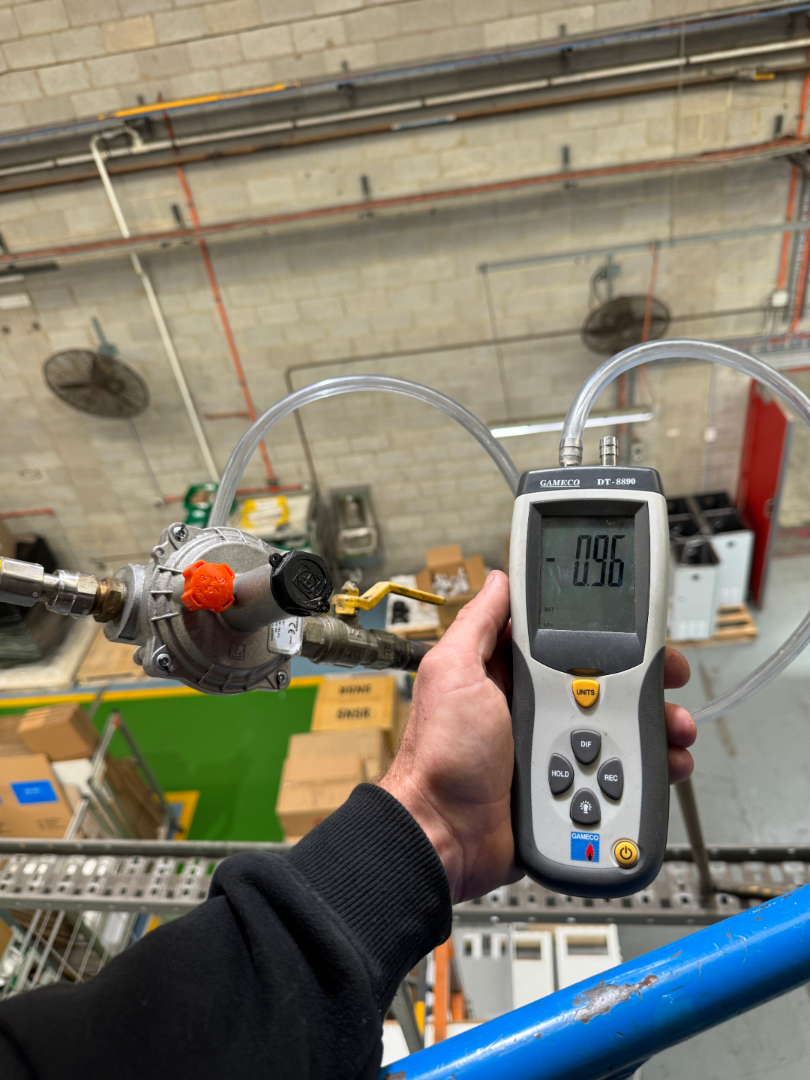
Commercial buildings often contain multiple gas appliances operating throughout the day, sometimes under significantly higher demand than a typical residential property.
Over time, components can be affected by:
- General wear and tear
- Vibration
- Corrosion
- Environmental conditions
- Mechanical damage
- Ageing regulators and fittings
Even a small issue within a commercial gas system can affect appliance performance, energy efficiency, or more importantly, safety.
Regular Commercial Gas Inspections help verify that the system continues operating as intended while identifying developing issues before they result in breakdowns, gas leaks, or compliance concerns.
What Does a Commercial Gas Compliance Inspection Actually Check?
Many business owners are surprised by how much is involved in a commercial gas safety inspection.
The process typically includes assessment of:
- Gas supply pressures
- Appliance operating pressures
- Gas pipework condition
- Regulator performance
- Appliance functionality
- Gas leak detection
- Visible safety defects
- Signs of corrosion or deterioration
The goal is to assess whether the entire gas installation is operating safely and delivering gas correctly to each appliance.
Why Static Gas Pressure Testing Is Performed
One of the first tests carried out during the inspection was static gas pressure testing.
Static pressure refers to the pressure within the gas system when appliances are not operating.
This test helps confirm:
- The gas supply is adequate
- Regulators are functioning correctly
- There are no major supply restrictions
- The system is capable of delivering sufficient pressure when required
Think of it as establishing the baseline health of the gas supply before appliances are placed under load.
Without adequate static pressure, appliances may struggle to operate correctly even if there are no obvious faults present.
Why Operating Pressure Testing Matters
After confirming static pressures, operating pressure tests were carried out on appliance regulators.
This is where the inspection becomes particularly important.
When multiple gas appliances operate simultaneously, the system experiences real-world demand conditions. A system that appears normal at rest may reveal problems once appliances begin drawing gas.
Operating pressure testing helps confirm:
- Regulators are performing correctly
- Appliances are receiving sufficient gas flow
- Gas pressure remains stable under load
- Equipment can operate safely during normal use
For commercial facilities, maintaining correct operating pressures is essential because inadequate gas delivery can affect appliance performance, combustion quality, and equipment longevity.
Gas Leak Testing and Safety Verification
A key component of every Commercial Gas Compliance Inspection is leak testing.
Gas leak testing was completed across accessible pipework, regulators, fittings, and appliance connections throughout the warehouse facilities.
Gas leak testing is designed to identify:
- Escaping gas
- Deteriorated fittings
- Loose connections
- Regulator issues
- Pipework defects
Even very small gas leaks can become significant safety concerns if left undetected over time.
This is why leak testing remains one of the most critical parts of any commercial gas inspection program.
Inspecting Gas Pipework and Components
Beyond pressure testing, all visible gas infrastructure was inspected for signs of deterioration.
Commercial environments can expose gas systems to conditions that accelerate wear, including:
- Dust
- Moisture
- Mechanical impacts
- Chemical exposure
- Temperature fluctuations
During the inspection, components were assessed for:
- Corrosion
- Physical damage
- Excessive wear
- Age-related deterioration
- General condition
Identifying these issues early helps building owners plan maintenance before failures occur.
Why Appliance Condition Forms Part of Compliance
Compliance isn't only about the pipework supplying gas.
The appliances themselves must also operate safely.
Gas burners and appliance components were inspected and cleaned where accessible to support efficient operation and improve combustion performance.
Well-maintained appliances typically provide:
- More reliable operation
- Improved energy efficiency
- Better combustion performance
- Reduced risk of nuisance faults
Cleaning and servicing also helps inspectors identify developing issues that may not yet be causing operational problems.
What Does a Gas Inspection Certificate Mean?
Following completion of testing and inspection works, a Gas Inspection Certificate was issued.
This certificate documents that the inspection was completed and records the condition of the gas installation at the time of assessment.
For commercial property owners, compliance documentation can assist with:
- Asset management
- Maintenance records
- Safety programs
- Building management requirements
- Ongoing compliance obligations
It also provides confidence that the system has undergone professional assessment and testing.
Commercial Gas Compliance Is About Risk Management
One of the biggest misconceptions surrounding commercial gas systems is that inspections are only required when something appears to be wrong.
In reality, compliance inspections are designed to identify issues before they create safety risks or operational disruptions.
Regular Commercial Gas Maintenance and Compliance Testing can help reduce the likelihood of:
- Gas leaks
- Appliance failures
- Unexpected downtime
- Emergency repairs
- Safety incidents
For businesses, preventative maintenance is often significantly more cost-effective than responding to an unexpected failure.
Commercial Gas Inspection Services in Condell Park
The team at Pure Plumbing Professionals provides commercial gas inspections, compliance testing, appliance servicing, and preventative maintenance throughout Condell Park and surrounding areas.
Services include:
- Commercial Gas Inspection
- Gas Compliance Testing
- Gas Leak Testing
- Commercial Gas Maintenance
- Gas Appliance Servicing
- Gas Safety Certification
Whether you're managing a warehouse, factory, commercial facility, or industrial premises, regular gas compliance inspections help ensure your systems continue operating safely and reliably.
