

Installing Surface and Subsoil Drainage Systems to Protect Against Groundwater and Water Build-Up
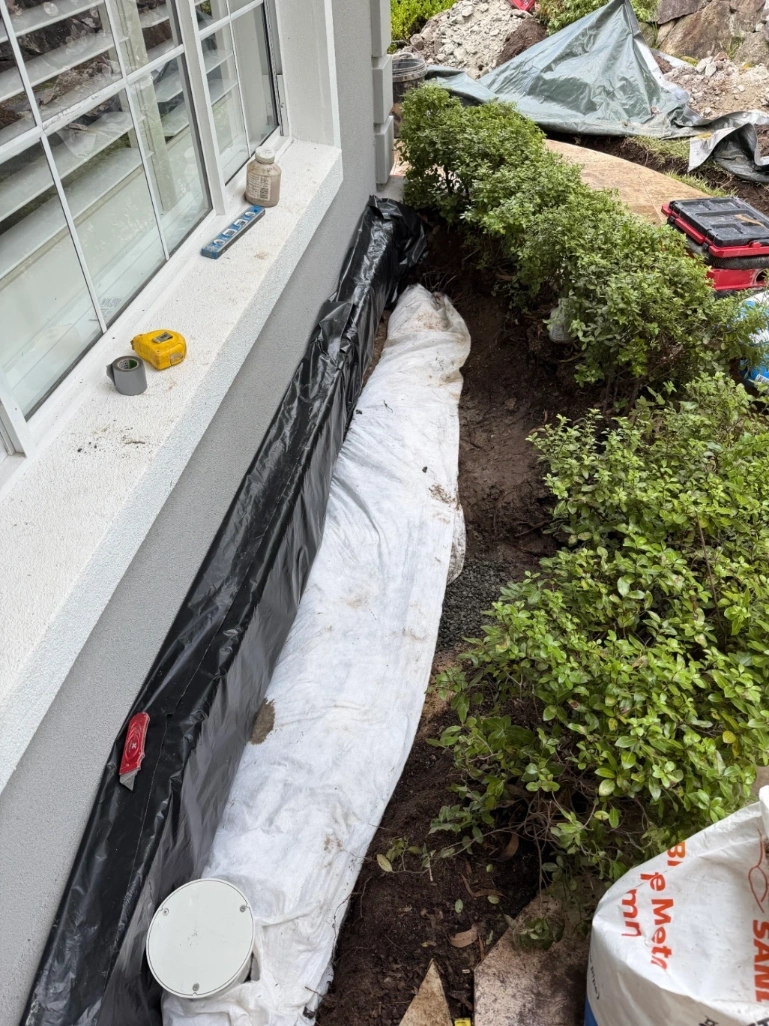
Our team attended a property in North Wahroonga to install a large-scale stormwater and subsoil drainage system designed to improve surface water collection and reduce groundwater pressure around the building footings.
Properties built on sloping land or areas with heavy soil conditions often experience both surface runoff and underground moisture problems at the same time. In many cases, water may not always be visible above ground, but pressure can still build beneath the surface and affect surrounding structures over time.
For this project, Pure Plumbing Professionals completed a combination of channel drainage installation, AG subsoil drainage, waterproofing, excavation, and stormwater pipework upgrades to improve long-term water management across the property.
Why Surface Water and Groundwater Need Different Drainage Systems
One of the biggest misconceptions homeowners have is assuming all drainage problems come from visible rainwater.
In reality, there are usually two separate types of water affecting a property:
- Surface water runoff from rainfall
- Groundwater building up below ground level
Surface water moves across concrete, paving, and landscaping during rain events. Groundwater sits within the soil itself and can place pressure against walls, slabs, and footings over time.
This is why larger Drainage Solutions often combine both Stormwater Drainage and Subsoil Drainage systems together.
At this North Wahroonga property, both systems were needed to properly manage water movement around the home.
Installing Surface Water Channel Drains
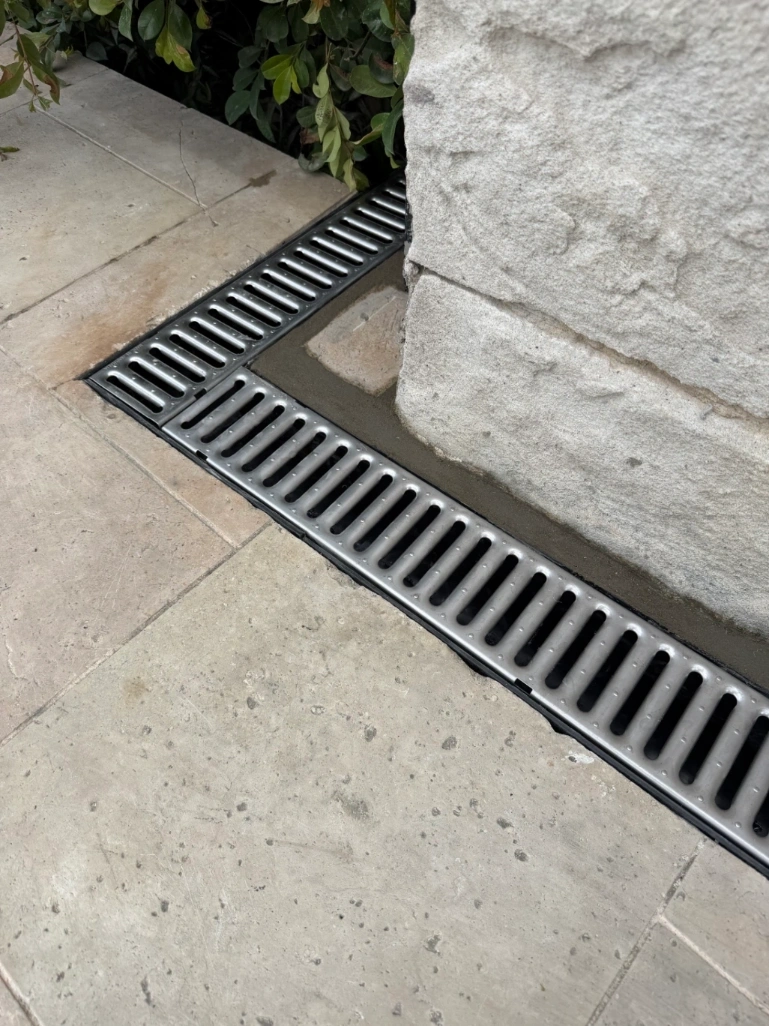
To improve collection of surface runoff, approximately 9 metres of grated surface water channel drain was installed through concrete and paved areas.
Channel drains are designed to capture water before it begins pooling across surfaces such as:
- Pathways
- Driveways
- Tiled walkways
- Patio areas
Without proper collection points, water can sit against structures or flow into unwanted areas during heavy rainfall.
To install the new system, sections of the tiled walkway were concrete cut to allow the drainage channels to sit flush with the surrounding surface. The new channel drains were then connected directly into the existing PVC stormwater system to safely carry water away from the property.
This type of Channel Drain Installation is commonly used where hard surfaces prevent water from naturally soaking into the ground.
Excavating Around the Building Footings
The next stage of the project involved excavation along the building footings to install the subsoil drainage system.
Excavation in drainage work involves carefully opening the ground to expose the areas where water pressure is building beneath the surface.
For this project, excavation allowed the team to:
- Access the footing areas
- Install AG drainage lines
- Waterproof below-ground walls
- Improve groundwater movement around the structure
Plants and landscaping materials were removed before excavation began to safely prepare the work area.
Why Waterproofing Was Part of the Drainage System
Drainage alone does not always stop moisture from affecting a building.
If groundwater remains against walls for long periods, moisture can slowly penetrate surrounding materials over time.
To help protect the structure, the below-ground wall surfaces were cleaned and prepared before two coats of waterproofing membrane were applied.
Waterproofing membranes act as a protective barrier between the structure and surrounding moisture.
At Pure Plumbing Professionals, waterproofing is often installed alongside Subsoil Drainage because both systems work together to reduce long-term water exposure around the building.
Installing the Herringbone Subsoil Drainage System
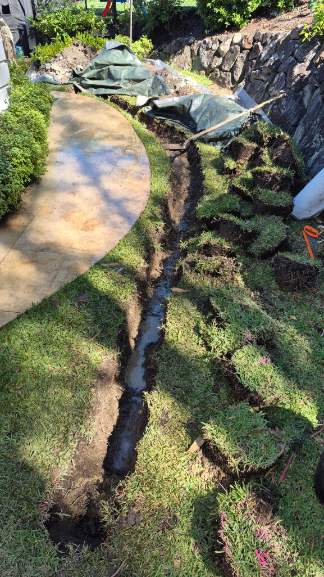
A herringbone-style AG drain system was installed throughout the excavation area.
AG drains are perforated drainage pipes designed to collect groundwater from surrounding soil and redirect it into the stormwater system.
The herringbone layout is commonly used because it allows multiple drainage branches to collect groundwater efficiently across a larger area.
This style of drainage system helps:
- Relieve groundwater pressure
- Prevent water build-up near footings
- Improve underground water dispersal
- Reduce soil saturation around structures
Builders plastic and geotextile fabric were also installed to act as moisture barriers and protect the drainage system from soil contamination.
Core Drilling and Drainage Penetrations
As part of the installation, the team core drilled through the wall into the subfloor space to create drainage penetrations.
Core drilling allows drainage lines to pass through structural surfaces cleanly and accurately without damaging surrounding areas.
Once penetrations were installed, they were cement sparged to create a watertight seal around the openings and prevent moisture migration through the wall.
This level of detail is important because drainage systems must not only move water away effectively — they must also prevent water from re-entering the structure through penetrations or weak points.
Backfilling with Aggregate to Improve Groundwater Flow
After the AG drain system was installed, the trenches were backfilled using drainage aggregate.
Aggregate is important because it allows groundwater to move freely toward the drainage pipes rather than becoming trapped within dense soil.
This helps improve:
- Groundwater dispersal
- Drainage efficiency
- Long-term system performance
Without aggregate, drainage systems can become restricted by compacted soil over time.
Additional Drainage Works Around the Property
Additional drainage improvements were also completed along the front right-hand side yard area.
This included installation of:
- An additional AG drain line
- A new unipit surface collection point
The new drainage components were connected into the surrounding stormwater infrastructure to further improve water management across the property.
Adding supplementary drainage areas is often necessary when properties experience multiple low points or water collection zones.
Testing and Commissioning the Drainage System
Once all drainage and waterproofing works were completed, the entire system was tested and commissioned.
This included checking:
- Surface water collection performance
- Groundwater flow through AG drains
- Stormwater pipe connections
- Overall drainage operation throughout the property
Testing ensures all components are functioning together as a complete Drainage Solution before the project is finalised.
What Most Homeowners Don’t Realise About Groundwater Problems
Many homeowners only focus on visible flooding or surface pooling, but groundwater pressure can quietly affect a property long before obvious symptoms appear.
Signs of groundwater issues may include:
- Damp ground around footings
- Persistent moisture near walls
- Water entering subfloor areas
- Saturated garden beds
- Ongoing drainage issues after rain
Managing underground water movement is one of the most important parts of protecting structures over the long term.
When Subsoil Drainage and Waterproofing Are Needed
Subsoil Drainage systems are commonly recommended when:
- Groundwater builds up around the property
- Water pressure affects retaining walls or footings
- Existing stormwater systems cannot manage underground moisture
- Surface drainage alone is not solving the issue
Combining Stormwater Drainage, waterproofing, and AG drain systems provides a much more effective long-term solution for water management.
Drainage and Waterproofing Services in North Wahroonga
Properties in North Wahroonga often require specialised drainage systems due to sloping land, established landscaping, and groundwater movement.
The team at Pure Plumbing Professionals provides:
- Stormwater Drainage Installation
- Subsoil Drainage systems
- Waterproofing works
- Channel Drain Installation
- AG Drain Systems
- Excavation Plumbing and groundwater management solutions
Each project is designed around the property conditions to ensure reliable long-term drainage performance and structural protection.
If you are experiencing water pooling, groundwater problems, or moisture around your property, a professional drainage assessment can help identify the cause and provide a long-term solution.
Call 0483 915 451 to speak with our team or click Book Now to arrange an inspection.
