

Installing Waterproofing, Pump Systems and Stormwater Drainage to Control Groundwater Around the Property
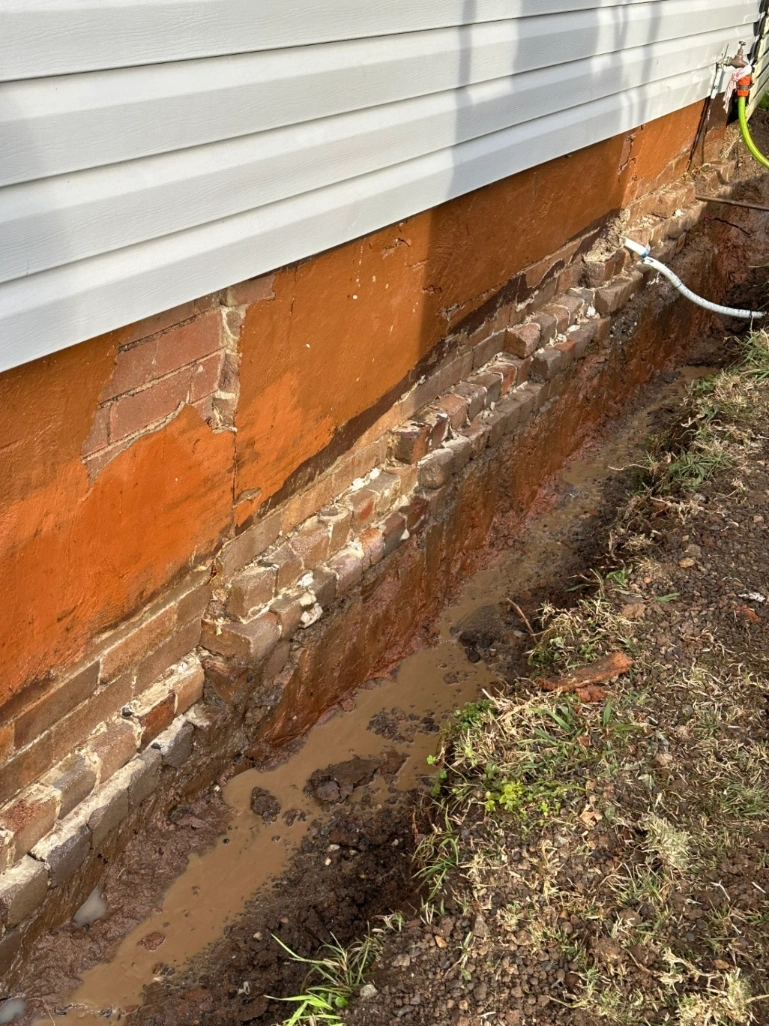
Our team attended a property in Seven Hills to complete major sub-soil and stormwater drainage renewal works designed to improve groundwater control and protect the property from ongoing water ingress issues.
This was a large-scale drainage and waterproofing project involving excavation, stormwater diversion, AG drainage installation, waterproofing membranes, pump systems, and new stormwater infrastructure across multiple areas of the property.
For many homeowners, drainage issues are often thought of as simple surface water problems. In reality, water pressure beneath the ground can place significant stress on building footings, retaining walls, and surrounding structures if it is not properly controlled.
For this project, Pure Plumbing Professionals designed and installed a complete Drainage Solution that addressed both surface runoff and underground groundwater movement throughout the site.
Why Groundwater Problems Often Develop Around Homes
Groundwater issues commonly occur when water becomes trapped around the footing level of a property.
This can happen due to:
- Poor natural drainage within the soil
- Sloping block conditions
- Ageing stormwater infrastructure
- Water collecting behind retaining walls or below driveways
- Existing drainage systems being unable to manage heavy rainfall
Over time, underground water pressure can lead to:
- Damp areas around the property
- Water entering garages or subfloors
- Saturated soil conditions
- Structural movement or cracking
- Ongoing drainage problems after rain
This is why large-scale Sub-Soil Drainage systems are sometimes required instead of simple surface drains alone.
Excavation and Drainage Renewal Across the Property
The project began with major excavation works to create new dedicated stormwater and sub-soil drainage systems throughout the site.
Sections of the concrete driveway were marked out, cut, and removed to allow trenching and installation of new underground drainage infrastructure.
Excavation was then carried out from the front of the property through to new pit locations near the rear and boundary areas.
Excavation for drainage work involves far more than digging trenches. It includes:
- Opening the ground safely around structures and services
- Preparing trench bases with correct fall and drainage gradients
- Creating space for stormwater and AG drainage installation
- Allowing access for waterproofing and footing protection works
At Pure Plumbing Professionals, excavation is planned carefully because drainage systems rely heavily on correct alignment and water flow through the property.
Installing New Stormwater Pits and Drainage Infrastructure
As part of the renewal works, new stormwater pits were supplied and installed throughout the site.
Stormwater pits act as collection points that help manage and redirect water through the drainage system.
The pits were:
- Levelled into position
- Concreted securely
- Connected into the upgraded stormwater network
Existing channel drains and carport downpipes were also connected into the new system to improve overall water collection and drainage efficiency.
Properly connected stormwater systems help reduce water build-up around structures during periods of heavy rainfall.
Why Waterproofing Was Essential for This Project
Drainage systems alone are not always enough to stop groundwater pressure from affecting a structure.
Once excavation exposed the below-ground walls and footings, the surfaces were thoroughly cleaned using high-pressure cleaning equipment.
Cracks and penetrations were then sealed using sand and cement before waterproofing membranes were applied.
Two coats of waterproofing membrane were installed across the below-ground wall sections and footings.
Waterproofing membranes help form a barrier between the structure and surrounding moisture. This reduces the chance of groundwater slowly penetrating walls over time.
For this Seven Hills project, waterproofing formed an important part of the overall drainage strategy rather than being treated as a separate repair.
Installing the Sub-Soil AG Drainage System
A comprehensive AG drainage system was installed throughout the property to collect and redirect groundwater away from the structure.
AG drains are perforated drainage pipes designed specifically to collect underground water from surrounding soil conditions.
The system included:
- PVC main drainage lines
- Multiple AG drainage collection points
- Builders plastic and coreflute protection
- Geotextile drainage fabric
- Aggregate backfilling for groundwater dispersal
This combination allows groundwater to move freely toward the drainage system while helping prevent soil and debris from clogging the pipes over time.
Sub-Soil Drainage systems are especially important in properties where groundwater pressure builds beneath paved surfaces, driveways, or retaining structures.
Why Aggregate and Geotextile Fabric Matter
After the AG drainage system was installed, trenches were backfilled using 10–20mm drainage aggregate and wrapped with geotextile fabric.
These materials are critical because they improve water movement through the soil while protecting the drainage system itself.
Aggregate helps:
- Create free-flowing drainage zones
- Reduce groundwater pressure around footings
- Improve long-term drainage efficiency
Geotextile fabric acts as a filter layer that prevents fine soil particles from entering and restricting the drainage system.
Without these protective layers, AG drains can lose efficiency over time as soil compacts around the pipework.
Installing Stormwater Pumps and Charged Drainage Systems
Part of the project required installation of new stormwater pump systems within drainage pits.
Pump systems are commonly used when gravity drainage alone cannot move water effectively to the legal discharge point.
For this project:
- New stormwater pumps were installed within pits
- Pump discharge lines were connected into the downpipe infrastructure
- New outdoor power supply points were installed by a licensed electrician
- Existing downpipes were diverted into charged stormwater lines discharging toward the street
A charged stormwater system allows water to travel through sealed pipework under pressure when gravity fall is limited.
This type of system is commonly used in properties where:
- Drainage needs to travel uphill temporarily
- Street discharge points sit higher than parts of the property
- Traditional gravity drainage is not possible
At Pure Plumbing Professionals, Pump Installation and charged stormwater systems are often combined on complex drainage renewal projects.
Core Drilling and Stormwater Diversion Works
Core drilling was completed through external walls to create new drainage penetrations and allow stormwater pipework to pass through the structure safely.
All penetrations were sealed to maintain waterproofing integrity and prevent moisture intrusion.
Additional aerial stormwater pipework was installed along floor joists and connected into the new boundary pit infrastructure.
This allowed the upgraded drainage system to integrate with the broader stormwater network throughout the property.
Connecting to the Street Stormwater System
To complete the drainage upgrade, the team excavated through the nature strip and connected the stormwater system into the street kerb drainage infrastructure.
This stage is important because all collected groundwater and stormwater ultimately requires a safe discharge point.
Temporary fencing was installed throughout the works to maintain public safety during excavation and external drainage installation.
Once all systems were connected, trenches were backfilled, driveway sections reinstated, and all exposed pipework secured.
Testing and Commissioning the Entire Drainage System
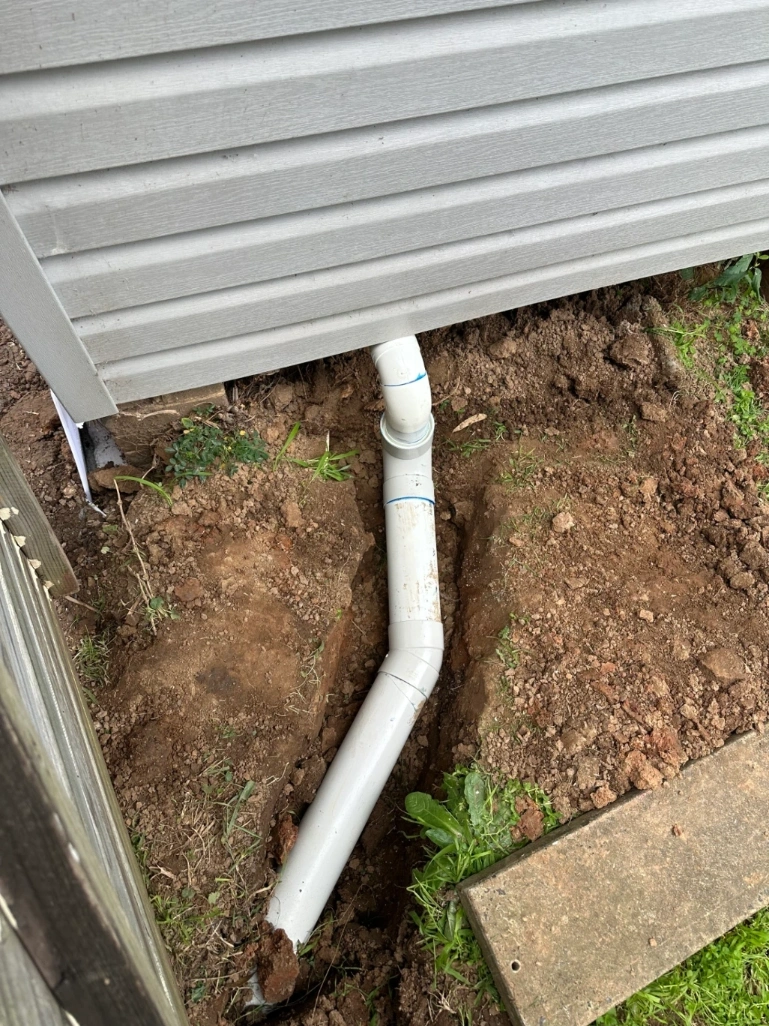
After installation was completed, the entire drainage network was fully tested and commissioned.
Testing included:
- Surface water collection performance
- AG drains groundwater movement
- Pump operation and discharge performance
- Charged stormwater functionality
- Stormwater flow through all pits and drainage lines
This final stage ensures every part of the drainage system is functioning together correctly before project completion.
What Most Homeowners Don’t Realise About Drainage Problems
Many homeowners focus only on visible flooding or overflowing drains.
However, some of the most serious water issues happen below ground where groundwater pressure slowly affects structures over time.
Without proper drainage and waterproofing systems, groundwater can continue building around footings long after rain has stopped.
This is why larger properties often require a combination of:
- Stormwater Drainage
- Sub-Soil Drainage
- Waterproofing
- Pump Systems
- Charged stormwater infrastructure
to properly control water movement across the site.
When Sub-Soil Drainage and Pump Systems Are Required
This type of drainage renewal is commonly required when:
- Groundwater enters subfloor or garage areas
- Water builds up around retaining walls or footings
- Existing drainage systems are overwhelmed
- Gravity drainage alone is insufficient
- Properties sit on sloping or difficult blocks
A properly designed drainage system helps protect both the property and surrounding structures from ongoing water damage.
Drainage and Waterproofing Services in Seven Hills
Properties in Seven Hills often require complex drainage systems due to block conditions, groundwater movement, and ageing infrastructure.
The team at Pure Plumbing Professionals provides:
- Sub-Soil Drainage
- Stormwater Drainage Renewal
- Waterproofing services
- Pump Installation
- Charged Stormwater Systems
- Excavation Plumbing and groundwater management solutions
Each project is designed to suit the property conditions and provide long-term water management performance.
If you are experiencing groundwater issues, stormwater overflow, or ongoing drainage problems around your property, a professional drainage assessment can help identify the cause and provide a long-term solution.
Call 0483 915 451 to speak with our team or click Book Now to arrange an inspection.
