

Repairing a Damaged Sewer Without Digging Up the Entire Yard
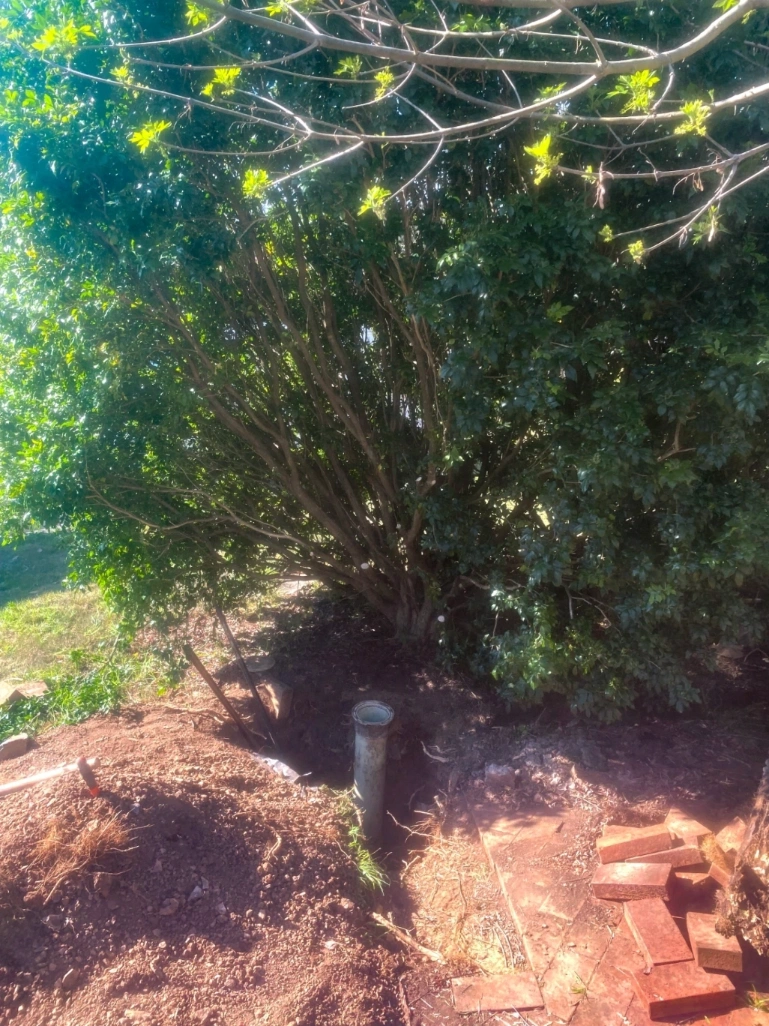
Our team attended a property in Bradbury to carry out sewer pipe relining and drainage rehabilitation works after sections of the existing sewer line had deteriorated due to age and tree root intrusion.
Instead of replacing the entire sewer with extensive excavation, we used modern trenchless pipe relining technology to restore the damaged pipe from the inside. This approach allowed the existing sewer to be structurally rebuilt while keeping disruption to the property to a minimum.
The project also included targeted excavation around the house junction where sections of damaged pipe required replacement before the relining process could begin.
Why Dig Up Your Yard If You Don't Have To?
For many homeowners, hearing the words "sewer replacement" immediately brings to mind excavators, destroyed gardens and expensive reinstatement works.
While some excavations are still necessary, modern pipe relining often allows large sections of sewer pipe to be repaired without replacing the entire drainage line.
Rather than removing every damaged pipe, the existing sewer becomes the mould for a brand-new structural pipe installed inside it.
This is why trenchless sewer repair has become one of the most popular solutions for repairing ageing drainage systems throughout Sydney.
The Hidden Problem Living Inside Your Sewer Pipe
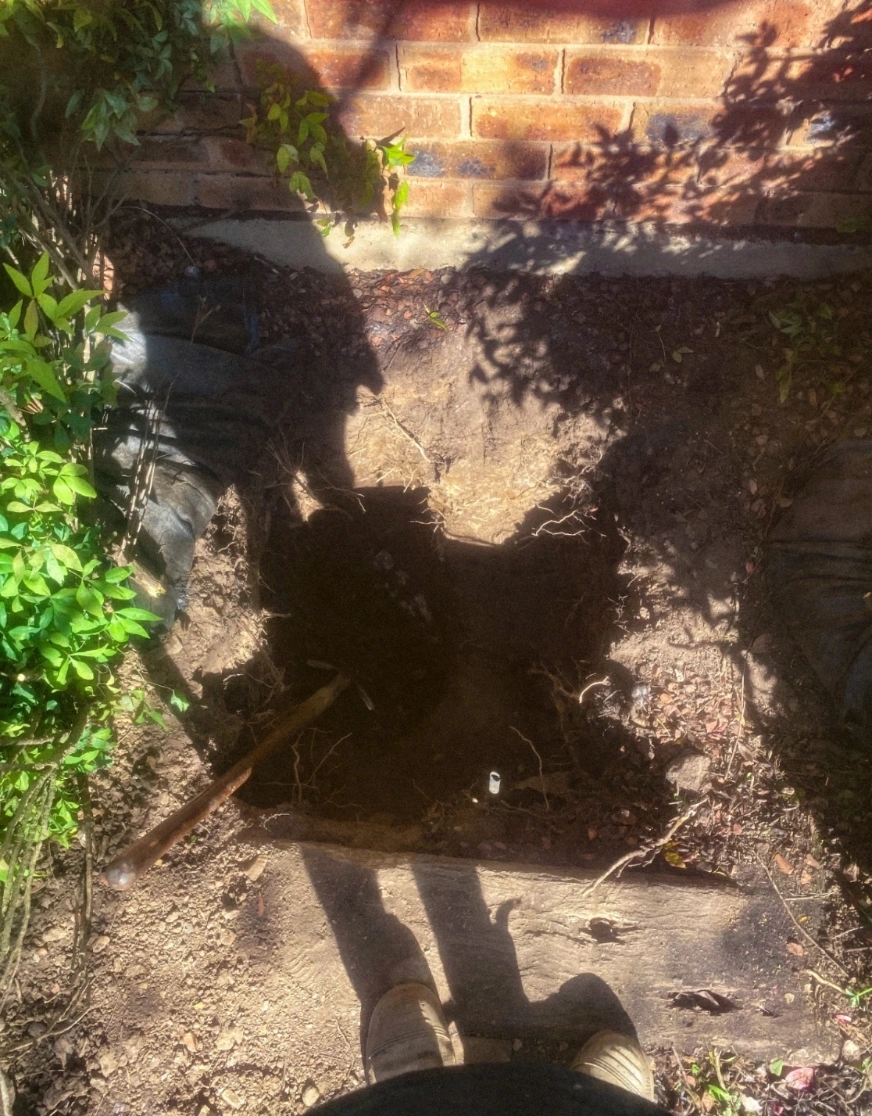
Most sewer problems happen completely out of sight.
By the time homeowners notice symptoms such as slow drains, recurring blockages or overflowing inspection openings, the damage inside the pipe has often been developing for years.
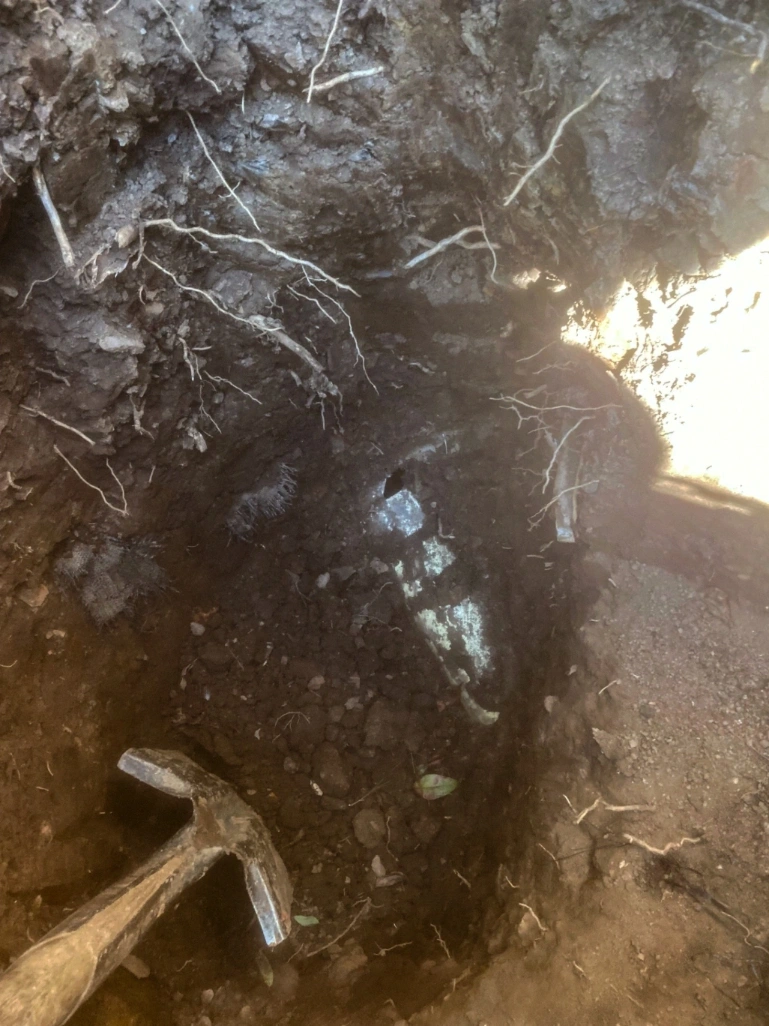
One of the most common causes is tree root intrusion.
Tiny roots enter through small joints or cracks in older pipes where they are attracted by moisture and nutrients. As they continue growing, the roots expand, trapping toilet paper, grease and other debris until the sewer eventually becomes blocked.
In older suburbs, this is one of the leading causes of repeated blocked drains.
The Camera Inspection That Decides Everything
Before any pipe relining can begin, plumbers need to know exactly what they're dealing with.
Following high-pressure water jetting to remove tree roots and debris, a CCTV drain camera inspection was carried out.
The camera inspection allows plumbers to:
- Measure the damaged section
- Assess structural condition
- Confirm the pipe is suitable for relining
- Locate cracks, offsets and root intrusion
- Determine the correct liner length
Without this inspection, pipe relining would largely be guesswork.
The CCTV footage becomes the blueprint for the entire repair.
How We Built a Brand New Pipe... Inside the Old One
Once the damaged section had been measured, a specialised epoxy resin liner was prepared to suit the existing pipe.
The liner was carefully inserted into the sewer before calibration equipment was inflated, pressing the resin firmly against the inside walls of the damaged pipe.
As the epoxy cured, it bonded to the existing sewer and hardened into a completely new structural pipe.
The finished result is a seamless internal lining that bridges cracks, seals joints and blocks future tree root entry without removing the original pipe.
Many homeowners are surprised to learn that once cured, the relined section becomes incredibly strong and is designed to provide decades of reliable service.
Tree Roots Don't Just Block Pipes — They Destroy Them
Many people assume tree roots are simply something that needs clearing every few years.
Unfortunately, roots are usually a symptom of a much bigger problem.
If roots have entered a sewer pipe, it means there is already an opening somewhere within the drainage system.
Over time those openings continue growing as roots expand, causing further cracking, joint movement and structural deterioration.
This is why repeatedly clearing roots without repairing the damaged pipe often results in the blockage returning.
Pipe relining addresses the actual cause by permanently sealing the damaged section where roots entered the sewer.
What Happens After the Pipe Is Relined?
One of the most important parts of the project happened after the relining had finished.
Many people assume the repair is complete once the liner has cured.
In reality, every relined sewer should be inspected again.
A second CCTV drain camera inspection was carried out to verify:
- The liner cured correctly
- The pipe was fully sealed
- No wrinkles or defects were present
- The sewer remained open and flowing correctly
Only after the post-installation inspection and flow testing confirmed everything was operating as expected was the project considered complete.
This final inspection provides confidence that the repair has achieved exactly what it was designed to do.
Giving an Old Sewer a New Lease on Life
While some sections of pipe required excavation and replacement around the house junction, the majority of the damaged sewer was successfully rehabilitated using trenchless technology.
New PVC pipework was installed where excavation was necessary before reconnecting into the relined sewer. The installation was then supported using blue metal aggregate, backfilled and the site reinstated.
The finished system now provides a much more reliable sewer connection while avoiding the extensive excavation that traditional sewer replacement would have required.
Sewer Pipe Relining Specialists in Bradbury
Pipe relining has transformed the way damaged sewer pipes are repaired, particularly where excavation would be difficult, expensive or disruptive.
The team at Pure Plumbing Professionals provides:
- Sewer Pipe Relining
- Trenchless Sewer Repair
- CCTV Drain Inspections
- High Pressure Water Jetting
- Sewer Rehabilitation
- Blocked Drain Solutions
If you're dealing with recurring blocked drains, tree root intrusion or ageing sewer pipes, pipe relining may provide a long-term solution without the need to excavate your entire property.
