

Replacing a Damaged Stormwater Pit Grate to Improve Safety, Drainage Performance and Long-Term Durability
Our team attended a property in Summer Hill to carry out stormwater pit repairs, replacing a damaged pit grate and restoring the surrounding concrete infrastructure to improve both drainage performance and public safety.
Stormwater pits are one of the most overlooked components of a drainage system. Most homeowners only notice them when a grate becomes damaged, water begins pooling nearby, or the pit stops collecting stormwater effectively.
For this project, Pure Plumbing Professionals removed the damaged pit lid, repaired the surrounding structure, installed a new oversized stormwater grate, reinforced the concrete slab, and restored the pit to ensure reliable stormwater collection for years to come.
What Does a Stormwater Pit Actually Do?
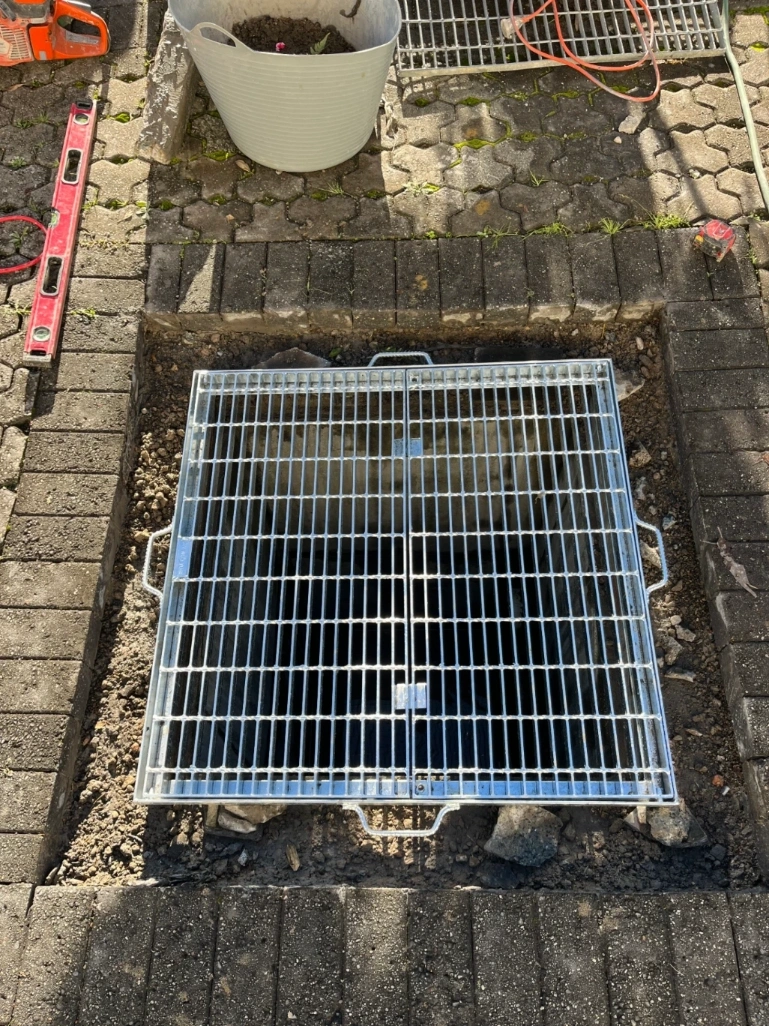
A stormwater pit is designed to collect rainwater and surface runoff before directing it into the underground stormwater drainage network.
You will commonly find stormwater pits in:
- Driveways
- Carparks
- Pathways
- Courtyards
- Common property areas
- Low points around buildings
When functioning correctly, a stormwater pit helps prevent water from pooling on the surface by capturing runoff and directing it away through the drainage system.
However, when the grate becomes damaged or the surrounding structure deteriorates, both safety and drainage performance can be affected.
Common Signs a Stormwater Pit Needs Repair
Many pit repairs begin after visible damage appears around the grate itself.
Common warning signs include:
- Cracked or broken pit lids
- Rusted stormwater grates
- Loose pit covers
- Sunken concrete around the pit
- Water ponding near the pit
- Trip hazards around drainage infrastructure
In some cases, damage develops gradually over time due to vehicle loads, ground movement, weather exposure, or ageing concrete.
For this Summer Hill project, the existing pit grate and surrounding concrete required replacement to restore the integrity of the drainage infrastructure.
Why Concrete Cutting Was Required
To access the damaged stormwater pit, the team first marked out the repair area and completed concrete cutting around the existing pit structure.
Concrete cutting allows plumbers to remove only the affected section of concrete while preserving as much of the surrounding surface as possible.
This approach helps:
- Minimise disruption
- Create clean repair lines
- Protect adjacent concrete
- Allow accurate installation of replacement infrastructure
Once the area was cut, jackhammering was used to remove the damaged concrete and broken section of the pit riser.
What Is a Pit Riser?
Many homeowners have never heard the term pit riser.
A pit riser is the section that sits between the stormwater pit itself and the grate at ground level.
Its purpose is to bring the pit opening up to the finished surface level while supporting the grate above.
If the riser becomes damaged, cracked, or unstable, it can affect both the structural integrity of the pit and the ability of the grate to remain secure.
For this project, the damaged riser section was removed as part of the repair process before the new grate was installed.
Why an Oversized Stormwater Grate Was Installed
A new oversized stormwater pit grate was supplied and installed over the existing pit structure.
Oversized grates are often selected when additional strength and durability are required.
They can also provide:
- Improved stormwater collection
- Better load distribution
- Increased durability in high-use areas
- Greater resistance to movement and cracking
Choosing the correct grate size is important because stormwater infrastructure must be capable of handling both water flow and the physical loads placed on the surrounding area.
At Pure Plumbing Professionals, pit grate selection is based on both drainage performance and long-term reliability.
Why Reinforcing Steel Was Installed
One of the most important parts of this repair involved reinforcing the new concrete installation.
The team drilled and installed reinforcing steel (reo bar) into the existing concrete slab before pouring the new concrete surround.
Reinforcement helps strengthen the repair by tying the new concrete into the existing slab.
Without reinforcement, repaired sections can be more vulnerable to:
- Cracking
- Movement
- Settlement
- Structural separation
By incorporating reo bar into the repair, the finished pit structure becomes significantly stronger and more durable.
Why Concrete Restoration Is Important
Many people assume a stormwater pit repair simply involves replacing the grate.
In reality, the surrounding concrete plays a major role in the performance of the drainage system.
For this project, the new grate and surrounding area were fully concrete encased and reinforced to improve long-term durability.
The concrete was then carefully finished to match the surrounding levels while maintaining the correct falls toward the pit.
This is an important detail because stormwater pits only work properly when surface water naturally flows toward them.
If the surrounding concrete falls away from the pit, water can bypass the drainage system and begin pooling elsewhere.
Cleaning the Pit to Improve Drainage Performance
Before completion, the pit was cleaned internally and all accumulated debris was removed.
Stormwater pits naturally collect:
- Leaves
- Dirt
- Sediment
- Organic matter
- General debris
Over time, this material can reduce the capacity of the pit and affect drainage performance.
Cleaning the pit during the repair process ensures the drainage system is functioning as efficiently as possible once the new grate is installed.
Testing and Commissioning the Stormwater Pit
After installation was completed, the pit was tested and commissioned to confirm correct operation.
This included checking:
- Surface water entry into the pit
- Stormwater flow through the drainage system
- Stability of the new grate installation
- Overall drainage performance
Testing is a critical step because it confirms the repair has improved both safety and functionality before the project is finalised.
What Most Homeowners Don't Realise About Stormwater Pits
Many drainage problems begin around the collection points rather than the underground pipework.
Even if the stormwater pipes are clear, a damaged grate, blocked pit, or deteriorated concrete surround can significantly reduce the system's ability to capture water.
This is why Stormwater Maintenance involves more than simply cleaning drains. Collection pits, grates, and surrounding infrastructure all play an important role in overall drainage performance.
Regular inspections can often identify issues before they become major repair projects.
When Stormwater Pit Repairs Are Recommended
Stormwater pit repairs are commonly required when:
- Pit grates become damaged or unsafe
- Concrete surrounding the pit begins cracking
- Surface water no longer enters the pit efficiently
- Drainage infrastructure shows signs of deterioration
- Stormwater collection capacity needs improvement
Addressing these issues early helps maintain both safety and effective stormwater management.
Stormwater Pit Repair Services in Summer Hill
Properties throughout Summer Hill often contain ageing drainage infrastructure that requires periodic maintenance and upgrades.
The team at Pure Plumbing Professionals provides:
- Stormwater Pit Repairs
- Pit Grate Replacement
- Drainage Maintenance
- Concrete Restoration
- Stormwater Infrastructure Repairs
- General Stormwater Maintenance and upgrades
Every repair is completed with a focus on structural durability, drainage performance, and long-term reliability.
If you have a damaged stormwater grate, cracked drainage pit, or concerns about stormwater collection around your property, a professional inspection can help identify the issue and recommend the most appropriate solution.
Call 0483 915 451 to speak with our team or click Book Now to arrange an inspection.
